Bintan with kids what to do is mostly about simple, low-stress days: calm beaches and lagoons, mangrove river trips, resort pools and kids’ clubs, all within an hour’s ferry of Singapore. This guide walks you through the main Bintan family activities, from the gentlest toddler-friendly sand to active watersports for teens, and how to pace it for a weekend.
Why families pick Bintan
The short version: Bintan is one of the easiest “proper holiday” breaks from Singapore for families who want sand and sea without flying.
Most Bintan family activities cluster in the Lagoi integrated resort zone in the island’s north. Think of Lagoi as a resort precinct: multiple properties, shared beaches and lagoons, and activity operators working across hotels. You’re not committing to a single resort’s programme; you can usually mix and match once you’re on the ground.
Key reasons families choose Bintan:
1. Short ferry, low transition
From Singapore’s Tanah Merah Ferry Terminal to Bandar Bentan Telani in northern Bintan, crossings typically take around 60 minutes on fast ferries (sea conditions permitting). Add immigration at both ends and resort transfers, and most families find door-to-door from central Singapore to a Lagoi resort is around 3–3.5 hours.
That timing matters with children. It’s just long enough to feel like a getaway, but short enough that naps and snacks can usually cover the journey without meltdowns.
Practical notes:
- Ferries usually run several times a day, with more options on weekends and school holidays.
- Seas can be choppier during the Northeast Monsoon (roughly November–February). If your kids are prone to motion sickness, morning sailings and seats near the centre of the boat can help.
- Pushchairs are generally fine on ferries and at the Bintan terminal, but check-in queues can be standing-only; baby carriers are useful for very young children.
2. Calm water, controlled settings
Lagoi’s main draw for families is its mix of natural beachfront and man-made lagoons:
- The north-coast family friendly Bintan beach areas are typically gentler than many open-ocean spots in the region, with wide shallows on calmer days.
- Inland lagoons offer sheltered water that works well for younger children learning to kayak or paddleboard, or simply splashing near shore with a life vest.
Bintan is not a coral-reef snorkelling destination like parts of Indonesia’s east; it’s more about sand play, pool time and simple watersports. For many families, that is exactly the point.
3. Resort infrastructure built around kids
Most of the larger properties in Lagoi are set up as a Bintan kids club resort experience at heart: kids’ rooms or corners, supervised clubs from roughly age 4 upwards, and family pools or slides. You also get reliable basics: baby cots, high chairs and kids’ menus are widely available.
The island’s activity providers have grown up around this market: think banana boats, jet skis (for older teens with adults), mangrove river tours and easy cycling or ATV circuits rather than technical adventure sports.
4. Familiar, but still Indonesia
For Singapore-based families, Bintan feels halfway between home and a “proper trip”:
- You pay in Indonesian rupiah, and your children see they’ve actually left the country.
- Food leans resort-international, but simple Indonesian dishes (nasi goreng, satay, grilled fish) are everywhere.
- English is widely spoken in the Lagoi zone’s hotels and main activity hubs, which keeps logistics smooth if you’re juggling kids.
If your children are older, combining a day in resort with short trips into local markets or villages can also be an easy introduction to Indonesian daily life.
Beach and lagoon days
Family friendly Bintan beach time is usually the centre of a short break. The key question is: do you want open sea or lagoon?
Open beaches: sand, waves and space
Most Lagoi resorts line the same broad stretch of north-coast shoreline. Details vary, but common themes are:
- Wide, pale sand that’s ideal for sandcastles and beach football.
- Gently sloping shallows on calmer days, good for paddling with toddlers.
- Seasonal variation in waves and currents; always pay attention to lifeguard flags and resort guidance.
Things to do Bintan children tend to love on the beach:
- Morning sand play before the sun is too strong.
- Simple body-boarding or wave-jumping with parents when conditions are right.
- Shell and driftwood collecting for craft projects back in the room.
- Low-tide walks: tide pools and small creatures can appear in some sections, but manage expectations – this is not a coral reef zone.
Practical tips:
- UV is strong. Plan beach-heavy blocks before 10:30 and after 16:00, with midday for naps, indoor play or shaded pool time.
- Bring or request life vests for non-swimmers near any open water. Some resorts provide them; it’s worth asking when booking.
- Sand toys are not always sold on-site at resort shops; packing a collapsible bucket and a few moulds saves time.
Lagoons: controlled water for younger kids
Several resorts and activity hubs around Lagoi have lagoons: large, calm bodies of water with limited waves and a defined edge. These have become a mainstay in bintan family activities because they:
- Offer predictable conditions for kayaking, pedal-boating and stand-up paddleboarding.
- Have shallower entry zones that feel less intimidating to younger children.
- Often come with nearby changing areas, cafes and toilets.
Typical lagoon-based activities:
- Family kayaking: one adult, one child per kayak for balance and comfort.
- Stand-up paddleboarding: for older kids with decent balance and water confidence.
- Pedal boats or small electric boats where available.
Water quality and rules vary by operator; you’ll get a safety briefing on-site. As always, consider life vests a default for children, even if not strictly required.
Pools: the reliable fallback
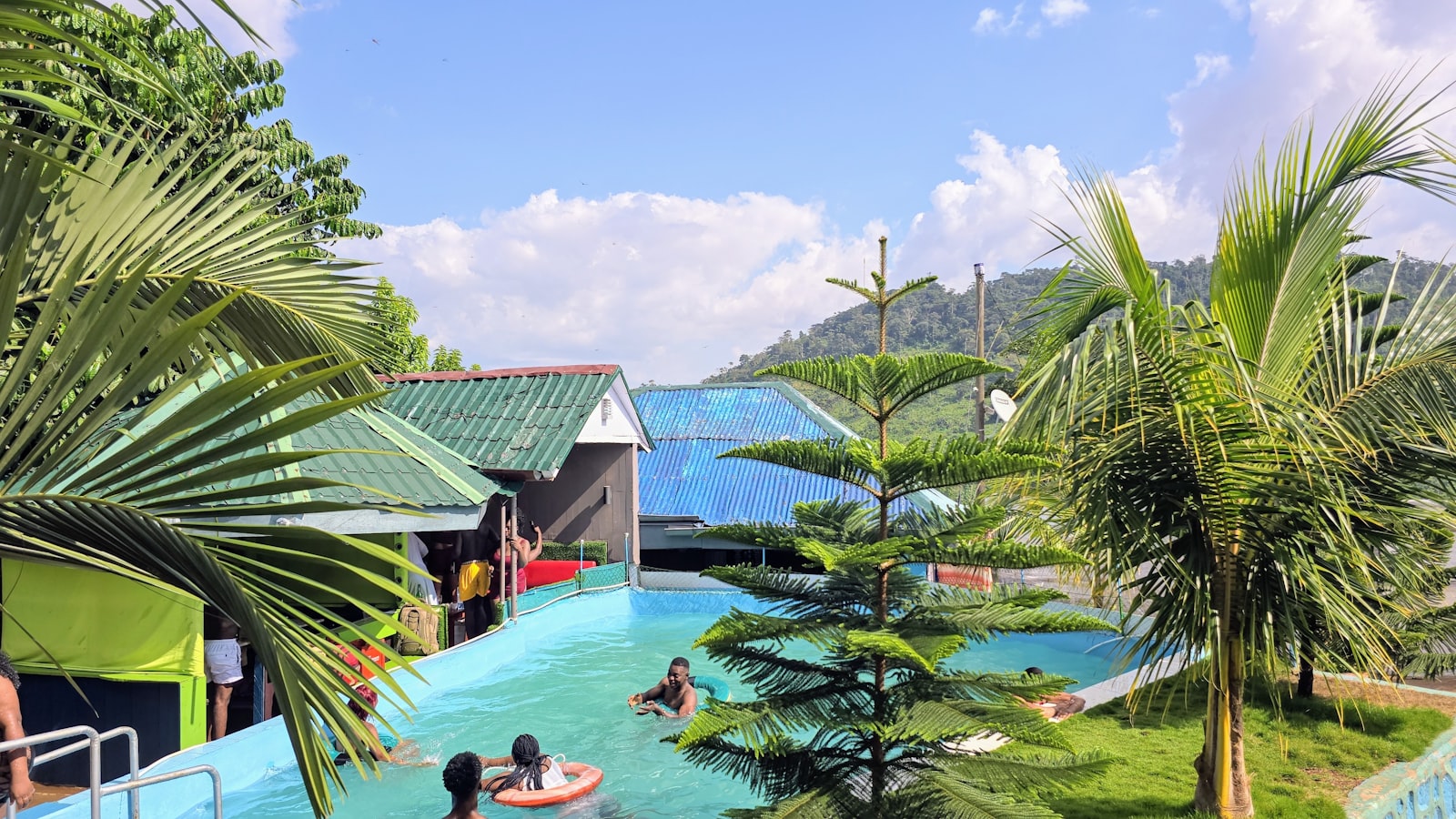
Every major resort in Lagoi offers at least one family-friendly pool, and many have:
- Separate shallow children’s pools.
- Slides or water play features.
- Some form of shaded loungers for parents.
Given the equatorial sun, many families end up spending more time at the pool than they expect. It’s usually the easiest place to balance safety, comfort and supervision.
Mangrove and nature outings
If you are mapping out bintan with kids what to do beyond the beach, mangrove river tours are the standout.
Mangrove river tours: calm adventure
Bintan’s mangrove tours typically operate on the Sebung River and other sheltered waterways north of Tanjung Pinang and near Lagoi. They use low, covered boats with life jackets provided.
Why they work well for families:
- The river is usually calm, so motion is gentler than open sea.
- Trips are typically 60–90 minutes, which is manageable for primary-school-aged children.
- Guides point out mangrove trees, crabs, birds and sometimes monkeys; it’s structured enough to keep kids engaged.
Honest expectations:
- Wildlife is never guaranteed. You may see monitor lizards, kingfishers or macaques, or you may see more of the forest itself than the animals.
- Mosquitoes can be present, especially around dusk. Long sleeves and repellent help.
- Very young toddlers may find the sitting-still aspect hard; many families wait until at least age 4–5 for this outing.
Night mangrove trips (fireflies)
Some operators run night tours focusing on fireflies. These can be magical for older kids who are comfortable in the dark and on boats.
Consider:
- Start times can be late for young children, especially after a day in the sun.
- Bring a light jacket; the river breeze can feel cool even in the tropics.
- Flash photography and bright torches may be discouraged to avoid disturbing wildlife.
Soft-adventure nature activities
Beyond mangroves, typical nature-oriented bintan family activities include:
- Light nature walks or short hikes organised by resorts, often focused on plants, insects and basic forest ecology.
- Guided cycling around resort grounds or quiet access roads; smaller bikes or child seats may be available at some properties.
- Simple eco-activities: tree-planting, beach clean-ups or craft sessions using natural materials.
These are rarely extreme; think educational and gentle rather than intense jungle trekking.
Resort facilities and kids’ clubs
The centre of gravity for things to do Bintan children enjoy is still the resort itself. The specific programming differs, but the patterns are consistent.
Kids’ clubs: structured play blocks
A typical bintan kids club resort setup offers:
- Age ranges: often from 4–12 for drop-off activities, with under-4s requiring a parent or babysitter present.
- Spaces: indoor, air-conditioned rooms with toys, books, craft tables and sometimes a small soft-play area.
- Schedules: half-day or hourly blocks of activities (e.g. bead-making, simple cooking, treasure hunts, pool games).
Why it matters:
- Parents get an hour or two for a quiet lunch, spa treatment or adult-only swim.
- Children get peers, supervised play and a change of environment.
Check in advance:
- Exact age cut-offs and whether your child fits into the main group or needs accompanied play.
- Language: English is widely used, but accents and group dynamics can affect shy children; visiting the club together first helps.
On-site activities beyond the club
Most family-oriented resorts in Lagoi build a weekly activities calendar that might include:
- Beach games (football, volleyball, tug-of-war).
- Water sports tasters (intro kayaks or boogie boards under supervision).
- Movie nights, often outdoor on weekends.
- Simple Indonesian cultural experiences: batik colouring, local music or dance demonstrations adapted for kids.
Participation is usually free for simpler activities and charged for crafts with take-home items or motorised sports. Always confirm inclusions in your room rate versus paid extras at check-in.
Babysitting and toddler care
Many larger resorts work with in-house or on-call babysitters, often charged by the hour with a minimum block. Policies differ strongly around:
- Age at which babysitters can be alone with children.
- Whether they will handle bath and bedtime.
- Maximum number of children per sitter.
If a date night is important to you, raise this specifically before you book so expectations align.
Food: what kids actually eat
You’ll see a familiar pattern:
- Breakfast buffets with cereal, fruit, pastries and made-to-order eggs.
- Kids’ menus with pasta, burgers, fish fingers and simple rice dishes.
- Access to lighter Indonesian flavours for children who like trying new food: grilled chicken satay, fried rice, clear soups.
For infants:
- Not all properties offer dedicated purees on demand, but many will blend fruit or vegetables if asked ahead.
- Bottle-warming and sterilising support is usually ad-hoc; a portable travel steriliser can be useful.
Pacing a family weekend
Designing bintan with kids what to do over a typical 2–3 night stay is mostly an exercise in restraint. You do not need to fill every hour.
Below is a sample framework many families find workable.
Day 1: Arrival and settling in
- Morning or midday ferry from Singapore.
- Resort check-in, lunch and unpacking.
- Afternoon: one low-effort activity only – usually pool time or a short beach play session.
- Early dinner and early night, especially with younger children.
Goal: Let everyone adjust to the new environment and recover from travel.
Day 2: One “headline” activity
Morning (cooler hours):
- Beach time or lagoon session: sandcastles, a short kayak or paddleboard for older kids.
- Alternatively, a late-morning mangrove tour if your children cope well on boats.
Midday:
- Lunch in shade.
- Rest time: naps, quiet reading or an indoor kids’ club block.
Late afternoon:
- Pool games or a resort-organised activity.
- Early evening stroll along the beach if the tide and weather cooperate.
Goal: One key outing plus plenty of unstructured water play.
Day 3: Flex and farewell
If you have a third night, keep this day flexible:
- Option A: Another nature outing – cycling, gentle walk, or a second mangrove trip at a different time of day.
- Option B: Stay within the resort: longer kids’ club block, parents’ spa time, pool and beach rotation.
For same-day ferry departures:
- Avoid tightly scheduled activities in the final 3–4 hours before transfer.
- Build in time for sandy feet, last-minute packing and early arrival at the ferry terminal.
Goal: Leave feeling like you’ve actually rested rather than raced a checklist.
Matching ages to activities
Below is an at-a-glance guide to age-appropriate bintan family activities. Always factor in your own child’s confidence and temperament.
| Age group | Best activity | Where |
|---|---|---|
| Toddlers (1–3) | Shallow pool play and sandcastles with shade breaks | Family pools and main family friendly Bintan beach areas in Lagoi resorts |
| Preschool (4–6) | Kids’ club craft sessions + short lagoon kayak with parent | Resort kids’ clubs and lagoon activity hubs in Lagoi |
| Primary (7–10) | Mangrove river tour + beginner paddleboard or pedal boat | Mangrove operators near Lagoi and Sebung River, resort lagoons |
| Tweens (11–12) | Half-day mix of beach games, cycling and light watersports | Lagoi beaches, resort bike circuits and watersports centres |
| Teens (13+) | Full-day water focus: sea kayaking, snorkel tasters, selected motorised sports with adults | Specialist watersports operators attached to larger Lagoi resorts |
Honest practicalities: costs, seasons and trade-offs
Costs: what to budget for
We do not publish fixed prices because they change with season, operator and demand, but as a rough sense (last verified June 2026):
- Ferries: typically higher than a domestic ferry within Indonesia, but still below most regional flights for a family; weekend and peak-school-holiday sailings can price up.
- Accommodation: Lagoi family resorts often range from mid-tier to luxury per night, with premium for sea views and villas. Extra beds and breakfast for children may be charged.
- Activities:
- Non-motorised watersports (kayaks, SUPs) are sometimes complimentary for limited hours, sometimes charged per half-hour.
- Mangrove tours are usually priced per person with child rates.
- Motorised activities (jet skis, banana boats) sit at the higher end; treat them as occasional treats rather than daily staples.
- Food: Resort dining tends to cost more than local warungs. Many families mix hotel meals with occasional off-resort options if time and transfers allow.
Bintan Villa can help you sense-check quotes and align them with your expectations; we route your enquiry to a vetted operating partner, but we are not the operator ourselves.
Seasons and weather
Bintan is equatorial: warm and humid year-round, with micro-variations.
- Roughly November–February: Northeast Monsoon can bring more rain and choppier seas. Beach days can still be lovely between showers, but ferries may feel bumpier.
- Roughly June–August: Often drier but still humid. UV index is consistently high; sun management matters with children year-round.
- Shoulder months: Often a balance, but rain showers are always possible.
No season guarantees perfect beach conditions. For very young or water-wary children, the presence of lagoons and pools reduces the impact of rougher seas.
Trade-offs: which family is Bintan for?
Bintan tends to suit:
- Families in Singapore looking for a 2–3 night break with maximum time in water and minimum time in transit.
- Parents who value convenience, kids’ clubs and straightforward logistics over off-the-grid exploration.
- Mixed-age siblings, where lagoons and pools allow different comfort levels to co-exist.
It is less ideal if:
- You want daily urban excursions or theme parks; Bintan’s appeal is outdoors and resort-based, not city sightseeing.
- Your children need very specific entertainment types (e.g. big rollercoasters). Activities here are softer and more nature-leaning.
If you’d like help matching resorts and activities to your children’s ages and energy levels, you can plan your trip with our team or WhatsApp us on +62 811 3823 875 for kid-paced suggestions.
How Bintan Villa helps you plan
Bintan Villa exists to make sense of all these moving parts: ferries, resort zones, ages, budgets.
- We are an independent concierge-style guide, not a resort or activity operator.
- We curate and compare stays, decode ferry logistics, and then route your enquiry to a vetted operating partner who will handle the actual booking and on-the-ground arrangements.
- No one can pay to change what we publish; if you proceed with our partner they may pay us a referral fee at no extra cost to you.
If you prefer to explore more before asking for help:
- Browse our Bintan with family pillar guide for a wider overview of family travel decisions.
- Explore our Bintan activities pillar for more detail on specific experiences.
- Shortlist options via our where to stay in Bintan pillar, with side-by-side comparisons of resort styles and zones.
When you are ready to shape an actual weekend, plan your trip or message us on WhatsApp at +62 811 3823 875. Share your children’s ages, what they enjoy, and your ferry preferences; we’ll suggest a realistic, family-friendly itinerary and a small, focused list of villas and resorts that fit.
Is Bintan suitable for toddlers?
Yes. The combination of shallow resort pools, gentle sections of family friendly Bintan beach and lagoon areas works well for 1–3 year olds, as long as you manage sun exposure and accept that naps and flexible timing will shape your days more than scheduled activities.
Are mangrove tours safe for children?
Mangrove river tours use stable boats and provide life vests; operators in the Lagoi area are used to hosting families. Safety briefings and conditions vary, so choose daylight departures, keep young children seated beside an adult, and skip trips in obviously poor weather.
What should I pack for kids in Bintan?
Essentials include high-SPF sunscreen, hats, UV swimsuits, simple sand toys, insect repellent, basic medicines, waterproof bags for wet clothes, and any specific snacks your children rely on, as resort shops have limited choice compared with Singapore supermarkets.
Can non-swimmer children enjoy Bintan?
Yes. Non-swimmers can enjoy shallow supervised pool and beach play, sand activities, kids’ clubs, nature walks and mangrove tours with life vests. Lagoons are particularly helpful as controlled environments, but constant close supervision is still crucial.
How many days do we need in Bintan with kids?
For Singapore-based families, 2–3 nights is usually ideal: long enough to have one or two headline activities (often a mangrove tour plus a lagoon or watersports block) and plenty of pool and beach time, without school or work logistics becoming complex.