How to read this: Bintan Villa is an independent concierge guide — we curate and compare villas and resorts, then arrange your booking through a vetted operating partner. We do not own or operate the properties, and resort or brand names are used only as neutral examples, not claims of affiliation. Prices are by quote and vary by property, season and party; figures here are indicative. Ferry times, operators and seasonal conditions change — confirm before you travel. This is general information, not a binding offer.
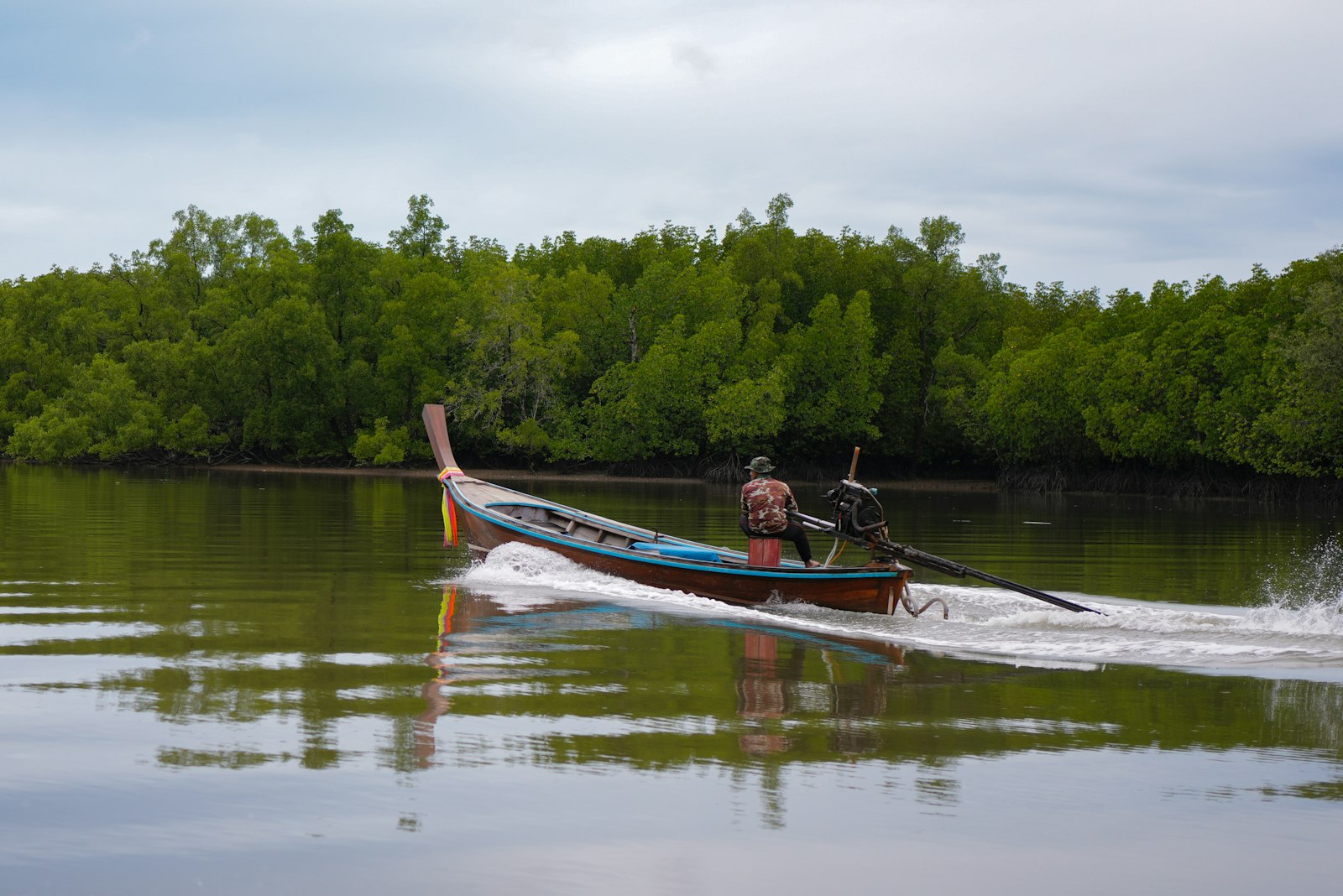
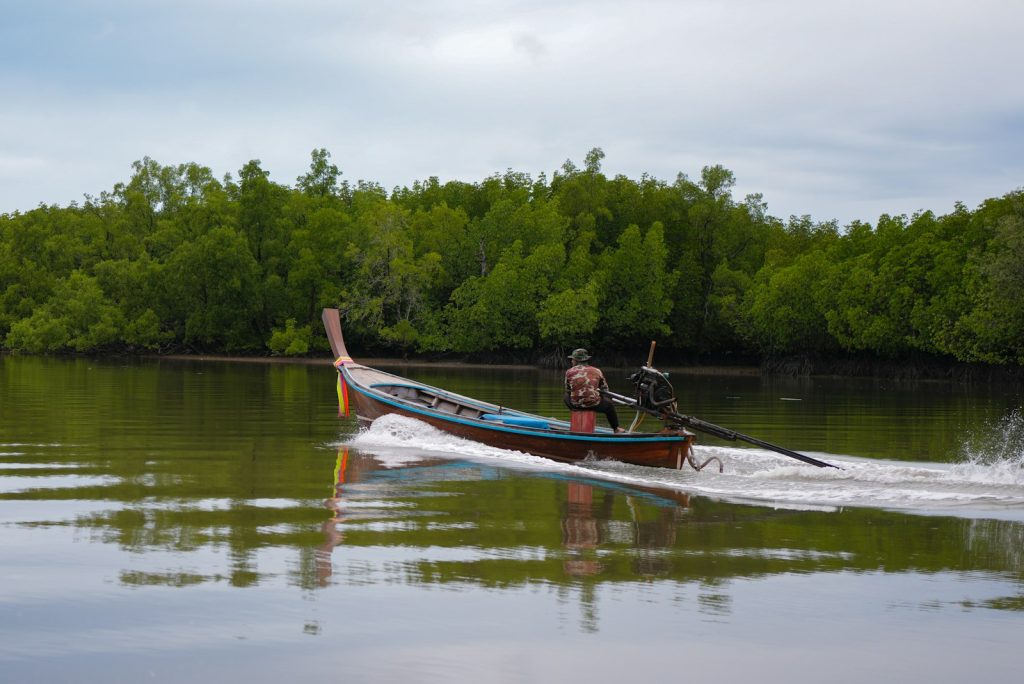
A bintan mangrove tour is a guided boat trip along Bintan’s tidal rivers, weaving through protected mangrove forests to see wildlife, local fishing life and, after dark, fireflies. For most Singapore–Bintan weekenders, it sits alongside beach time and watersports as one of the island’s signature experiences, easy to add to almost any villa or resort stay.
At Bintan Villa, we do not operate boats or run activity centres ourselves. We act as an independent concierge and editorial guide: decoding options, timing and logistics, then routing your enquiry to a vetted local partner who handles the actual tour or activity. No one can pay to change what we publish; if you proceed with our partner they may pay us a referral fee at no extra cost to you.
Bintan runs on GMT+7, one hour behind Singapore. That difference shapes ferry times, mangrove departures, and how much you can realistically fit into a day. This page is designed to be definition‑first and practical: what the tours involve, how Bintan beach activities and watersports work in reality, and how to put it all together around the area you stay in — from Lagoi’s integrated resorts to the quieter Trikora coast.
The Bintan Mangrove Tour: Daylight vs Firefly Night
Bintan’s mangrove trips typically run on the Sebung River and its side channels in the island’s north, within reach of the main ferry terminals and resort zones. There are two classic versions: a daylight eco-tour and a night-time firefly cruise.
What a mangrove tour actually involves
Most bintan mangrove tour departures share a common rhythm:
-
Transfer from resort or villa
Your operator collects you or you self-drive to the jetty. Driving from the Lagoi Bay area to the mangrove jetties is usually around 15–30 minutes, depending on exact location and traffic. -
Safety briefing and life jackets
Boats are typically open or semi‑covered river craft with bench seating and life jackets provided. You board from a floating or fixed jetty; steps can be steep at low tide. -
Slow cruise along the mangrove river
Engines idle low as you move upriver. Guides point out mangrove species, adaptations and often the traditional uses of different plants. Birds and mudskippers are common; monkeys and reptiles are seen more sporadically. -
Wildlife is always “maybe”
You might see kingfishers, herons, monitor lizards or even snakes resting in branches. None of this can be guaranteed. The constant is the landscape itself: root systems, reflections, tidal patterns and the quiet. -
Return to jetty and transfer back
Including transfers, most mangrove outings occupy around 2–3 hours door‑to‑door.
Tour durations, boat size and inclusions (water, snacks, insurance) vary by operator. Our role is to outline those differences and pass your preferences and constraints clearly to the local team arranging your specific trip.
Day mangrove tour: light, forest detail and family‑friendly pace
A daytime bintan mangrove tour suits guests who want to really see the forest structure and birdlife.
Typical timing and feel:
-
Departure windows
Common slots are mid‑morning or late afternoon. Operators may adjust timing around tides and heat. Morning gives gentler sun; late afternoon can mean warmer colours and, in some months, a slightly cooler return. -
What you see better by day
- Root systems and seed pods
- Crab holes and mudskippers along the banks
- Birds in flight and at rest
-
Human activity: small fishing boats, floating structures
-
Comfort level
Easier for younger children and older travellers: you can see where you are stepping, photograph freely, and read the water surface. If you’re heat‑sensitive, we usually suggest avoiding midday departures.
Families often like to pair a morning mangrove trip with an early lunch and gentle Bintan beach activities in the afternoon, especially along the calm lagoons near Lagoi.
Night mangrove tour: fireflies and river atmosphere
The firefly bintan mangrove tour adds one strong draw: watching the trees light up in pulsing clusters of bioluminescent insects on dark nights.
What to expect:
-
Departure after dusk
Tours usually leave after sunset so that the river is properly dark on arrival at the firefly areas. Return to your resort is typically in the later evening. -
Experience on the river
Boats move even more slowly. Lights are dimmed or switched off at times to help the fireflies show. You hear more than you see: water against the hull, insects, occasional calls of night birds. -
Firefly “seasonality” and limitations
Firefly activity is influenced by rainfall, moon phase and light pollution. There is some level of viewing through most of the year, but density and brightness vary. No operator can guarantee a particular intensity on a given night. -
Additional considerations
- You will need to be comfortable boarding and disembarking in low light.
- Insects can be more noticeable; operators typically advise on repellents.
- For younger children, the late return can be tiring.
Some guests choose to do both: a day tour focused on ecology and photography, and a shorter night cruise on another day for the atmosphere and fireflies.
Safety, weather and what’s realistically “year‑round”
Bintan’s mangrove area is generally navigable all year, but weather shapes comfort:
-
Rain
Showers are common in both monsoon periods. Light rain rarely cancels a tour; heavy rain, lightning or strong winds may cause postponement or rerouting. Operators will typically decide close to departure. -
Heat and humidity
Midday sun can be intense. Light clothing, hats and refillable water bottles help, even on covered boats. -
Wildlife
Sightings are always variable. We treat “possibility of” as the honest baseline. -
Seasonality
Mangrove tours operate year‑round, but sea conditions for connecting journeys (e.g. from Trikora or south Bintan) can affect how long it takes to reach the river.
We only work with partners who are clear about their weather policies and cut‑offs. If you ask us to coordinate, we will build in a back‑up slot where your itinerary allows so that a cancelled evening firefly tour, for example, has a realistic alternative.
Beaches, Lagoons and Bintan Watersports
Most visitors combine a bintan mangrove tour with time on the island’s soft‑sand beaches and protected lagoons. The northern coast near Lagoi has purpose‑designed lagoons and activity centres; the Trikora side is quieter and more natural.
The character of Bintan’s beaches
Bintan’s shoreline is varied, but two areas dominate short stays:
- Lagoi Bay and north‑coast resort belt
- Close to Bandar Bentan Telani (BBT) ferry terminal.
- Broad sandy beaches facing the South China Sea.
- Artificial and natural lagoons used for calm‑water activities.
-
Easy access to organised bintan watersports and all‑ages bintan beach activities.
-
Trikora Beach area (east coast)
- Further from the main ferry terminal, via inland roads.
- Long stretches of sand with local fishing villages nearby.
- Fewer large resorts; more low‑rise guesthouses and villas.
- Less structured activity offering; more about simple swimming, walks and tide‑pooling.
For a deeper area overview, see our dedicated guides to the Lagoi Bay area and the quieter Trikora Beach area.
Core Bintan watersports and beach activities
Availability varies by resort and season, but typical options include:
- Non‑motorised lagoon activities
- Stand‑up paddleboarding
- Kayaking (single and double)
-
Pedal boats or small sail craft in some lagoons
These are often the gentlest entry point into bintan beach activities for families and first‑timers. -
Motorised watersports
- Jet skis, banana boats and towable inflatables
- Wakeboarding or water‑skiing in some centres
-
Short coastal boat rides
These operate subject to sea conditions and safety policies. Expect age and weight minimums. -
Beach‑based activities
- Beach volleyball and football
- Sandcastle zones or kids’ beach clubs in family‑oriented resorts
-
Occasional yoga or wellness sessions on the sand, depending on the property
-
Snorkelling and limited diving
The waters off Bintan’s main tourist beaches are shallow and can be affected by seasonal visibility and currents. Simple shore snorkelling is sometimes offered, but Bintan is not a primary dive destination in the way that Indonesian islands farther afield are.
All of the above are weather‑dependent. Operators may pause motorised watersports if winds rise or if visibility drops. Lagoon‑based, non‑motorised crafts tend to be the most resilient, with occasional short holds for lightning.
Lagoon vs open‑sea activities
The phrase “bintan lagoon activities” usually refers to man‑made or modified lagoons near north‑coast resorts. These shallow, enclosed bodies of water are designed for ease and safety:
- Minimal waves and current.
- Predictable depth profiles.
- Separation from boat traffic.
They are suitable for paddle‑based watersports, basic swimming and play for less confident swimmers, and sunset paddles for couples. In contrast, open‑sea jet ski or banana boat rides give a livelier experience but depend more heavily on current, swell and visibility on the day.
If your group includes mixed confidence levels — strong swimmers and those who prefer their feet firmly on sand — we often suggest choosing a resort that offers both lagoon and open‑sea fronts.
Activities by Traveller Type: Families, Couples, Groups
“Things to do Bintan Villa” means different things if you are travelling with toddlers, planning a proposal, or organising a corporate retreat. The mix of mangrove, beach and lagoon activities can be tuned to your pace.
Families: predictability first, variety second
For families, the main considerations usually are attention span, safety and nap windows.
Typical family‑friendly mix:
- Half‑day with a day mangrove tour
- Morning: short bintan mangrove tour with private boat where possible, so you control snack breaks and volume.
-
Afternoon: lagoon paddleboarding, sandcastle building, possibly a gentle swim.
-
One “high‑energy” watersports slot
For older children and teens, a single scheduled block of motorised bintan watersports avoids back‑and‑forth negotiation: tubing, banana boat or jet ski rides grouped into a single afternoon. -
Rain‑plan or heat‑plan
Many resorts near Lagoi have kids’ clubs or shaded pools. On Trikora’s less structured coast, families may rely more on villa time and neighbourhood walks if rain moves in.
If you’re staying in a family villa, we would typically organise a private transfer to the mangrove jetty, a morning boat slot, and then align watersports with any on‑site or nearby operators, with nap times protected.
Couples: slow time and one focal experience
Couples, including honeymooners or anniversary trips, often prefer a slower cadence and more privacy.
Useful combinations:
-
Sunset or night‑time mangrove tour
A small‑group or private firefly bintan mangrove tour can become the evening’s focus, with a leisurely dinner before or after, depending on timing. -
Morning beach walk, late‑afternoon lagoon paddle
Open‑sea beaches are quieter earlier in the day. Later, a tandem kayak or stand‑up paddleboard in a sheltered lagoon suits relaxed conversation and photos. -
Light structure, not a packed schedule
We generally suggest no more than one timed activity block per half day, leaving space for spa or unstructured beach time.
Couples split roughly between Lagoi (integrated facilities, short transfers) and Trikora (more seclusion, less “programming”). We can help you compare based on how much you want to do versus simply sit and read by the water.
Groups and corporate retreats: capacity and clarity
For groups — multi‑family gatherings, friends or company offsites — the constraints are different: headcount, coordination and budget transparency.
For a corporate retreat or group stay, we usually think in “blocks”:
- Block 1: Shared anchor activity
- Options: day bintan mangrove tour with multiple boats, beach games session, or a lagoon‑based watersports rotation.
-
Key is capacity: ensuring everyone can participate within 2–3 hours.
-
Block 2: Optional, self‑selected slots
- Free time for spa, naps, individual walks.
-
A smaller subset can choose additional watersports at their own expense if your budget is fixed.
-
Block 3: Simple evening plan
- Perhaps a sunset firefly tour for a smaller group, or a low‑key beach bonfire where allowed by local regulations.
Clear sign‑up lists, time windows and meeting points prevent the “herding cats” feeling. This is where our concierge work tends to help most: not in choosing a specific jet ski model, but in shaping a realistic, readable day plan for 10–80 people that a vetted partner can then operate.
Pairing Activities with Lagoi or Trikora
Where you stay shapes how your Bintan activities feel. Here is how mangrove, beach and lagoon time fit around the two main weekend zones.
Lagoi: integrated resorts close to the mangroves
Staying around Lagoi Bay and the north‑coast resort district means:
-
Shorter transfers to mangrove tours
The jetties on the Sebung River are within an easy drive. Door‑to‑door time, including pick‑up, briefing and the tour itself, typically keeps your outing to a half‑day. -
Easy access to structured Bintan beach activities
Many resorts here have established activity desks for bintan watersports and bintan beach activities, from stand‑up paddleboarding to beach volleyball. -
Lagoon access on site or nearby
Bintan lagoon activities are usually within walking distance or a short buggy ride of your room.
For many Singapore‑based visitors coming in for a two‑night stay, Lagoi offers the most efficient mix of “arrive on the morning ferry, be on a mangrove boat by late afternoon, and still have your pick of watersports the next day”.
For more detail on area layout and resort styles, see our full guide to the Lagoi Bay area.
Trikora: quieter, more natural coastline
Choosing the Trikora Beach area gives you:
-
More immediate connection with local coastal life
You may see fishing boats, small warungs (local eateries) and village scenes on simple beach walks. -
Less inbuilt structure
Activity desks are rarer; offerings can be informal, such as borrowing kayaks from a small guesthouse or arranging a simple boat trip with local operators. -
Longer transfers to mangrove tours
To reach the standard bintan mangrove tour locations, you will usually need a more substantial inland drive. This tends to make the mangrove trip a true half‑day or even three‑quarter‑day outing.
Trikora works well for guests who are content with unhurried days: swims, naps, reading, perhaps a single big outing per trip such as a mangrove river day combined with a detour through interior villages.
Sample day plans by base area
Use these as starting points rather than prescriptions; we will always adjust timings around your ferry and check‑in.
From Lagoi (2‑night weekend)
- Day 1
- Morning: Singapore to BBT ferry, check‑in or luggage drop.
- Afternoon: Light lunch, rest, then late‑afternoon day bintan mangrove tour.
-
Evening: Resort dinner, early night.
-
Day 2
- Morning: Lagoon paddleboarding / kayaking, simple beach time.
- Afternoon: Motorised bintan watersports window.
- Evening: Firefly tour if you have energy, or quiet sunset and dinner.
From Trikora (3‑night slower stay)
- Day 1
-
Afternoon: Arrive, settle into villa, beach walk, early dinner.
-
Day 2
- Morning: Unhurried swim and local exploring.
-
Afternoon: Transfer inland for day bintan mangrove tour; return by early evening.
-
Day 3
- Flexible: Optional simple boat ride or watersports if available locally, or pure rest.
If you would like help shaping something similar, you can plan your trip with us over email or WhatsApp; we will then brief a partner to run the operational side.
Practicalities: Timing, Costs and How We Arrange Your Day
Here are the core logistics for combining a bintan mangrove tour with Bintan’s beaches and lagoons.
Time windows and realistic capacity per day
Key timeframes:
- Mangrove tours
- Daytime: typically mid‑morning to late afternoon.
-
Firefly: departures after sunset, with timing adjusted for darkness and tides.
-
Watersports and beach activities
- Most activity desks run from late morning through late afternoon.
-
The warmest period is early afternoon; if you’re heat‑sensitive, target 9–11am or 3–5pm for open‑sea activity.
-
What you can genuinely fit
- With children: one major outing (mangrove or multi‑activity watersports) plus one light beach block.
- As adults: two activity blocks per day are comfortable, a third only if they are all short and nearby.
Trying to pack “mangrove, all watersports and more” into a single day tends to leave people more tired than satisfied, especially in the humid coastal air.
Indicative pricing and booking patterns
We do not quote fixed prices here because they change with season, group size and specific operator. As a directional guide (last verified June 2026):
- Mangrove tours
- Typically priced per person, with a minimum headcount or a private boat option.
-
Private boats cost more but offer control over pace and noise level.
-
Bintan beach activities and bintan watersports
- Frequently priced per 15–30 minute session for motorised sports.
-
Lagoon craft may be per craft per hour or per person.
-
Packages vs à la carte
- Some resorts bundle a limited number of lagoon or beach activities into room packages.
- Stand‑alone operators outside resort grounds often work on straight pay‑per‑use.
When we help you plan, we will outline current price ranges and options, then connect you to a partner who can confirm an exact quote for your dates and headcount.
Our role: independent concierge, not operator
To restate clearly:
- We do not own or operate boats, jetties or activity centres.
- We curate information, pressure‑test logistics, and highlight trade‑offs — then route your enquiry to a vetted local partner.
- No one can pay to change what we publish; if you proceed with our partner they may pay us a referral fee at no extra cost to you.
This separation keeps our editorial honest. If we say that an activity may be crowded at a certain time, or that a lagoon is more about child‑friendly paddling than high‑adrenaline sports, it is from that independent perspective.
Quick Comparison: Mangrove Tours vs Beach & Lagoon Days
- Primary focus
- Mangrove tour: Nature, ecology, river atmosphere.
Beach & lagoon: Play, swimming, watersports. - Typical duration door‑to‑door
- Mangrove tour: ~2–3 hours from Lagoi; longer from Trikora.
Beach & lagoon: Flexible blocks from 1–4 hours. - Best for
- Mangrove tour: Families, couples, nature‑curious travellers.
Beach & lagoon: All ages; particularly good for groups and kids. - Weather sensitivity
- Mangrove tour: Affected by heavy rain, lightning, strong winds; light rain often acceptable.
Beach & lagoon: Motorised watersports paused in rough seas; lagoon paddling more resilient. - Advance booking
- Mangrove tour: Advised, especially weekends and public holidays.
Beach & lagoon: Some walk‑in possible; premium or group slots better pre‑booked. - Photography
- Mangrove tour: Daylight for detail; night for atmosphere and firefly glow (variable).
Beach & lagoon: Sunrise/sunset for softer light; midday for vivid water colours but harsher sun.
How to Start Planning
If you know your ferry and villa dates, we can help you design a realistic activity outline:
- Choosing between day and night bintan mangrove tour options based on age‑mix and energy.
- Deciding how heavily to lean into bintan beach activities and bintan watersports vs simple downtime.
- Matching your style to Lagoi’s integrated ease or Trikora’s quieter rhythm.
- Sequencing activity days around the best time to visit guidance for weather and sea conditions.
Share your rough preferences, and we will sketch a draft plan you can refine over WhatsApp or email, then pass on cleanly to an operating partner to price and confirm. You can plan your trip with us directly; WhatsApp details are on that page.
FAQs
Is a day or night bintan mangrove tour better?
Day tours suit guests who want to see forest detail, birdlife and river life clearly, and are especially good for families and photographers. Night firefly tours are about atmosphere: the quiet river and the possibility of glowing trees on dark evenings. Many visitors with time do a day tour first and add a firefly cruise only if they still have energy.
Can young children or older travellers join the mangrove tours?
Yes, most bintan mangrove tours accept a wide age range, but boarding involves steps and sometimes uneven jetties, and everyone must wear life jackets. For very young children or guests with mobility concerns, a private boat is usually more comfortable because the pace and seating can be adjusted. We factor this into plans we pass to partners.
Are watersports and beach activities available all year in Bintan?
Activity desks operate throughout the year, but specific bintan watersports are weather‑dependent. Strong winds, rough seas or lightning can pause or cancel motorised rides, while lagoon‑based paddling is typically more flexible. Exact offerings can also vary by season and resort maintenance schedules, so we check what is running for your dates.
Do I need to book activities before I arrive?
For peak weekends, public holidays and larger groups, advance booking is strongly recommended for mangrove tours and popular bintan beach activities. Some lagoon crafts and simple beach games are often available on a walk‑in basis, especially in larger Lagoi resorts. If you prefer certainty, we suggest reserving at least one mangrove slot and one watersports window in advance.
How far are the mangrove tours from Lagoi and Trikora?
From the Lagoi Bay and north‑coast resort area, transfers to the common mangrove jetties typically take around 15–30 minutes by car, making the outing a comfortable half‑day. From the Trikora Beach area, inland road journeys are longer, so you should expect a more substantial half‑day or three‑quarter‑day commitment door‑to‑door.